Focus: Economic Perspective | Kuje/Wumba/Lokogoma Substations, FCT Abuja | $48,624,245 | 5x60MVA = 300MVA | TCN + ICC | Certified 24 June 2022
Electricity cannot power an economy if it cannot reach it. A $48.6 million transmission project in the Federal Capital Territory tackles one of the most overlooked bottlenecks in Nigeria's power sector.
When Nigerians talk about electricity, the conversation usually turns to generation: how many megawatts power stations can produce. But generation is only part of story. Power must be transmitted, transformed and distributed before it reaches a home, office or factory. When any link is too weak, electricity that could have been used is lost to economy.
The Kuje / Wumba / Lokogoma Substations Project, delivered for the Transmission Company of Nigeria by International Consolidated Contractors, was designed to strengthen that chain in one of country's fastest-growing regions. Awarded in May 2020 at $48,624,245, certified complete on 24 June 2022 and declared fully operational.
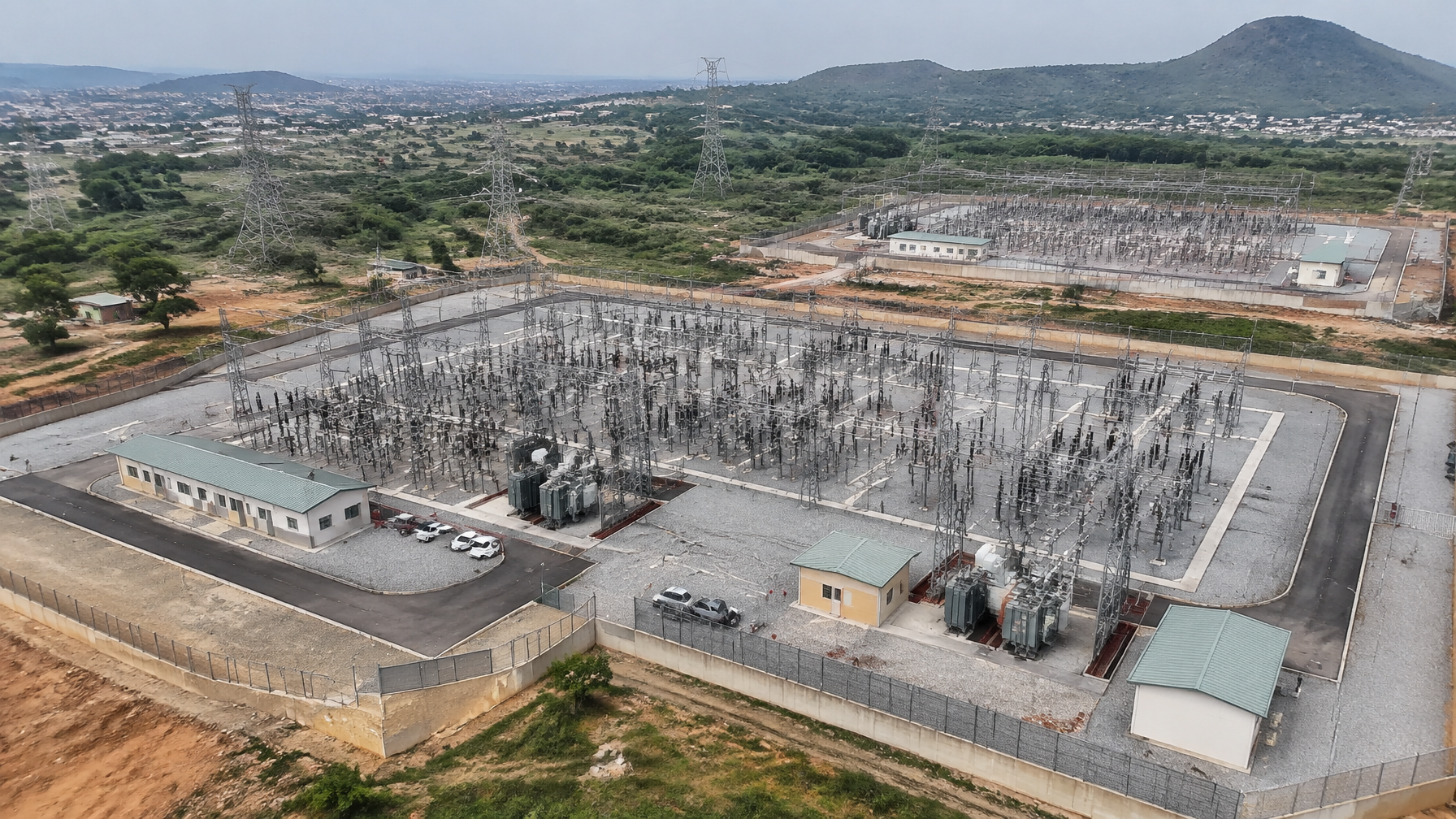
What the Investment Delivered: Two New Substations
At Kuje, a complete new 132/33kV substation with three 60MVA transformers was constructed. At Wumba/Lokogoma, a second substation with two 60MVA transformers was built, connected to New Apo Substation by approximately 5 km of 132kV underground cable. Together, five transformers add 300MVA of new transformation capacity — converting high-voltage transmission into medium-voltage supply used by distribution networks.
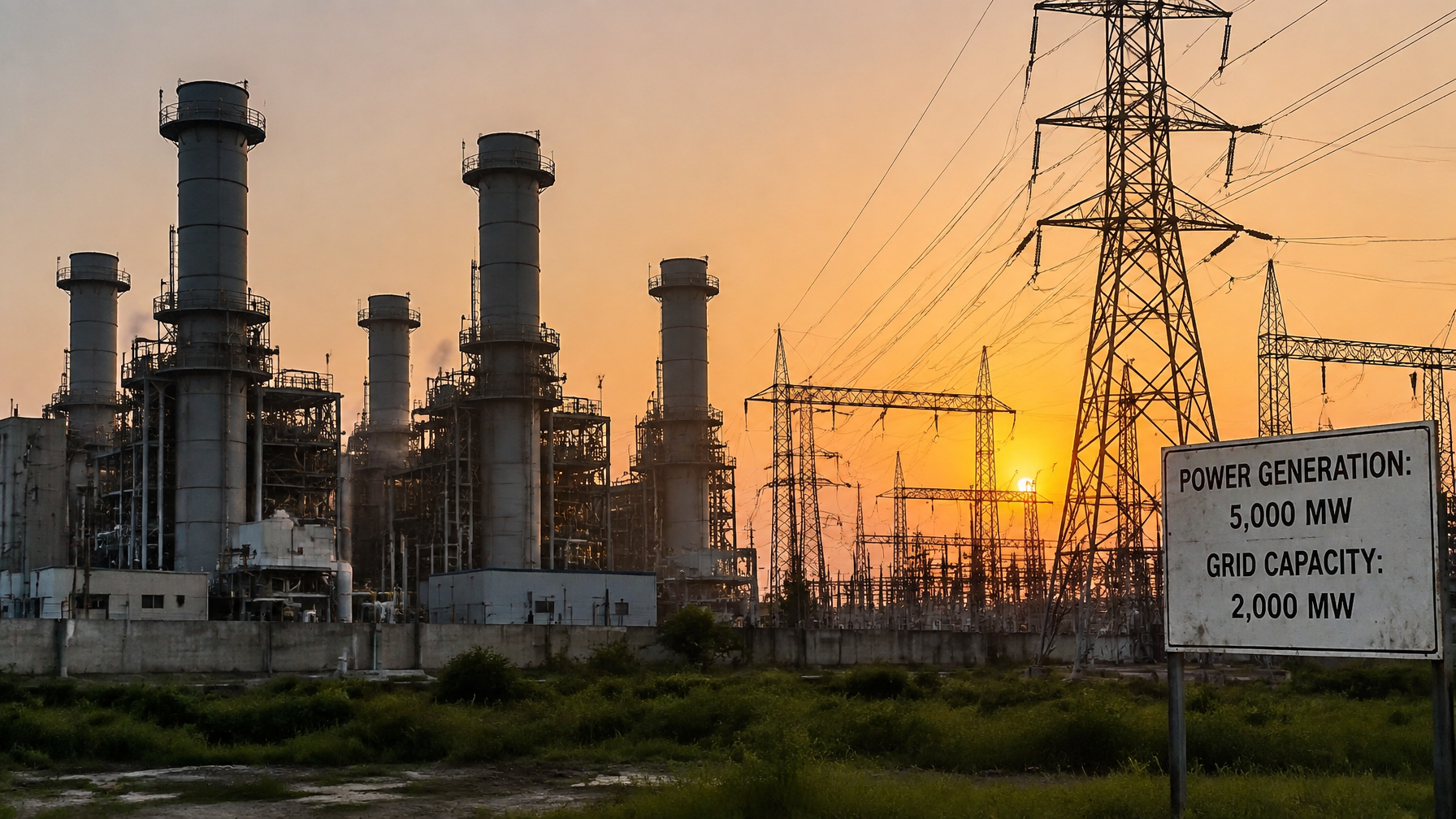
Unlocking Stranded Power
A recurring problem is that electricity available on grid cannot always be delivered because substations and lines lack capacity. New transformation capacity helps close gap — each new substation creates additional points from which distribution feeders can draw power, allowing more electricity to reach more customers at better voltage.
For businesses, this is directly economic: every hour of reliable grid supply is an hour a company does not need to run diesel generator. Across hundreds of businesses and thousands of households, savings on fuel and maintenance can be substantial.
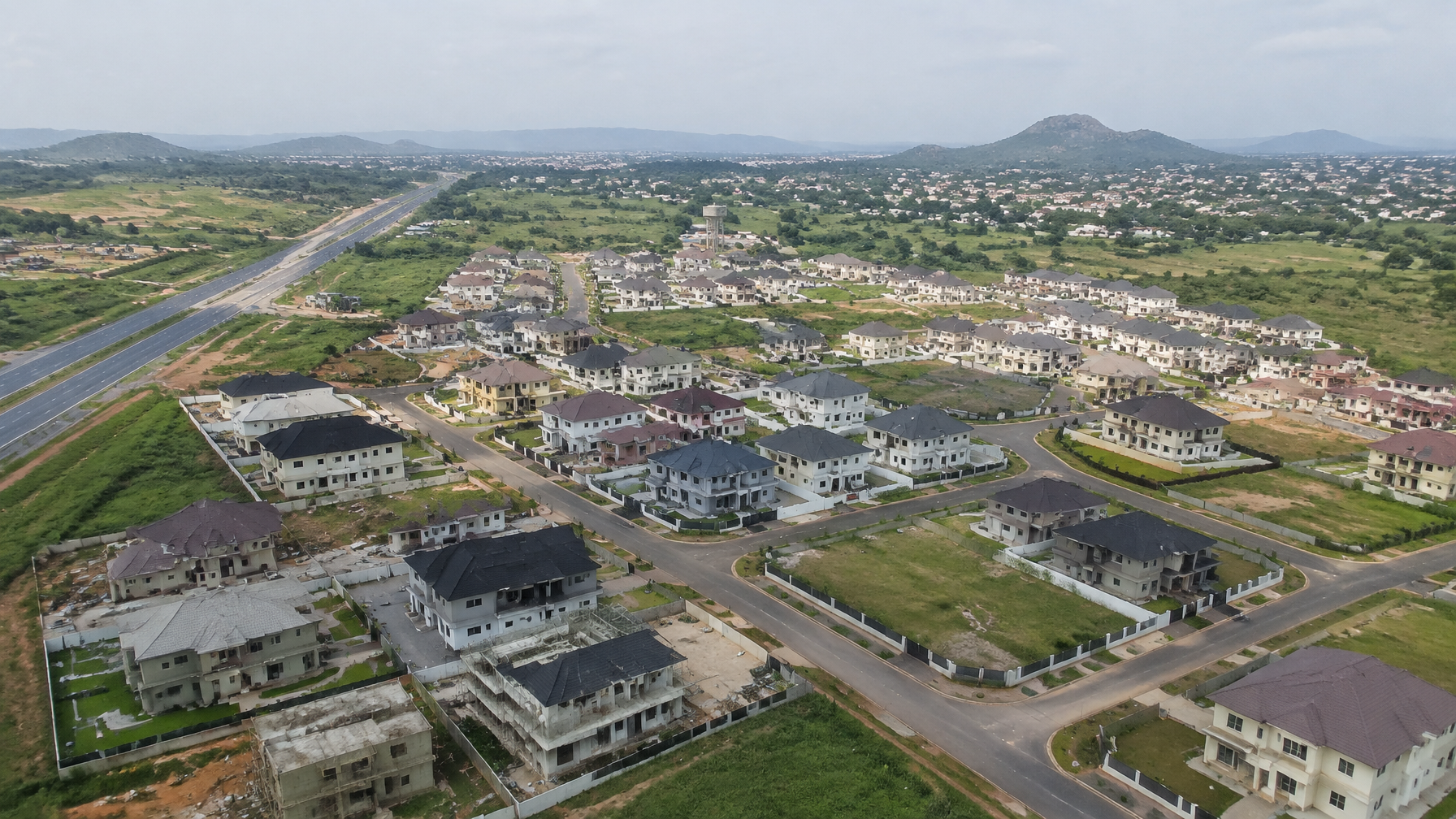
Powering a Growing Capital: Kuje, Wumba, Lokogoma
Abuja and surroundings have grown rapidly, with new estates, commercial developments and satellite towns expanding outward. Districts such as Lokogoma and Wumba in south, and Kuje Area Council to southwest, have seen significant development — infrastructure has struggled to keep pace. Adequate power is precondition for further investment in housing, retail, hospitality, healthcare and light industry. A new substation also increases land and property value around it.
Economic Activity During Delivery & A Long-Term Asset
The project itself generated economic activity over two-year construction — civil works, building construction, electrical installation, transport, security and local services. Complete control buildings, reinforced concrete structures, roads, drainage and fencing were built at both sites.
Transmission substations operate for decades. Value accumulates year after year as demand grows. With four 132kV line bays at Kuje and provision for multiple 33kV feeders, substations offer platform for continued growth — investment with returns measured over generation.
Kuje/Wumba/Lokogoma At-A-Glance
| Item | Details |
|---|---|
| Employer | Transmission Company of Nigeria (TCN) |
| Contractor | International Consolidated Contractors (ICC) |
| Value/Dates | $48,624,245 | Awarded May 2020 → Completed 24 June 2022 | 24 months | 5km underground cable |
| Capacity | Kuje: 3x60MVA + Wumba/Lokogoma: 2x60MVA = 300MVA total (132/33kV) |
Frequently Asked Questions
Q: Why does Abuja need more substations?
New estates in Kuje/Wumba/Lokogoma outgrew existing capacity — stranded power couldn’t reach customers.
Q: What does 300MVA mean for businesses?
More reliable grid hours — fewer diesel hours and lower fuel/maintenance costs.
Q: Why underground cable?
5km 132kV XLPE underground from New Apo avoids towers and land acquisition in dense urban area.
Based on TCN certificate of completion 24 June 2022 for Kuje/Wumba/Lokogoma 300MVA project. Consult tcn.org.ng.
Comments
Post a Comment