Focus: Project Delivery Perspective | Kuje/Wumba/Lokogoma, FCT Abuja | Award 15 May 2020 | Start 25 June 2020 → Complete 24 June 2022 | 24 Months Exactly | $48,624,245 EPC
In a sector often associated with delays, a major transmission project in the Federal Capital Territory was completed exactly on its planned schedule. How it happened offers lessons for Nigeria's infrastructure ambitions.
Nigeria's power sector has long struggled with delivery problem. Transmission projects in particular have often been associated with extended timelines, cost overruns and incomplete works, leaving much-needed capacity stuck on drawing board while demand continues to grow.
That context makes record of Kuje/Wumba/Lokogoma stand out. Transmission Company of Nigeria awarded contract to International Consolidated Contractors on 15 May 2020, specifying 24-month duration with works starting on 25 June 2020. TCN's certificate records project as successfully completed on 24 June 2022, exactly 24 months later.

Clear Terms from the Outset
Award letter set out essentials with precision: project title and scope, contract value of $48,624,245, 24-month duration and fixed start date. Within ten calendar days of contract signing, contractor was required to submit performance bond, as set out in bid documents, and schedule of works reflecting agreed start date.
These requirements matter. Performance bond protects client if contractor fails to deliver, while formal schedule creates shared baseline against which progress can be measured. Clarity at start is one of strongest predictors of success at end.
Delivering Through a Pandemic
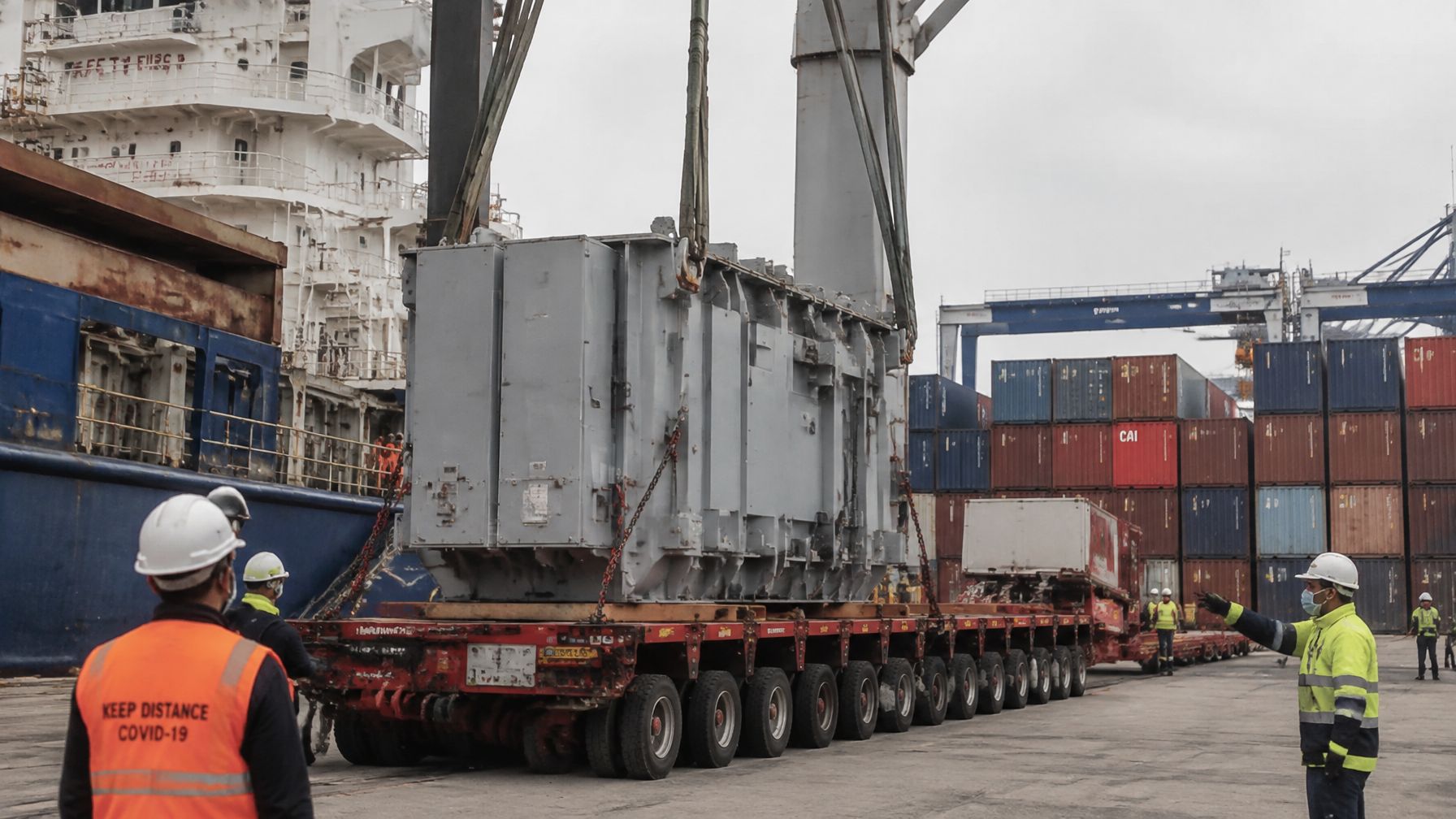
Project's timeline is all the more notable because its entire construction period fell during COVID-19 pandemic. Between 2020 and 2022, global supply chains for electrical equipment faced serious disruption, with manufacturing delays, shipping bottlenecks and restrictions on movement of people. Delivering heavy equipment such as power transformers, high-voltage switchgear and underground cable to schedule in that environment required careful procurement planning and logistics management.
The Value of Single-Point Responsibility: Full EPC
Contract covered complete engineering, procurement, construction, installation, testing and commissioning of both substations and underground cable. This full EPC approach placed responsibility for entire scope, from building foundations to SCADA integration, with single contractor. That reduces coordination gaps that often occur when different parts handled by separate firms, and makes accountability for delays or defects clear.
Quality Verified, Not Assumed
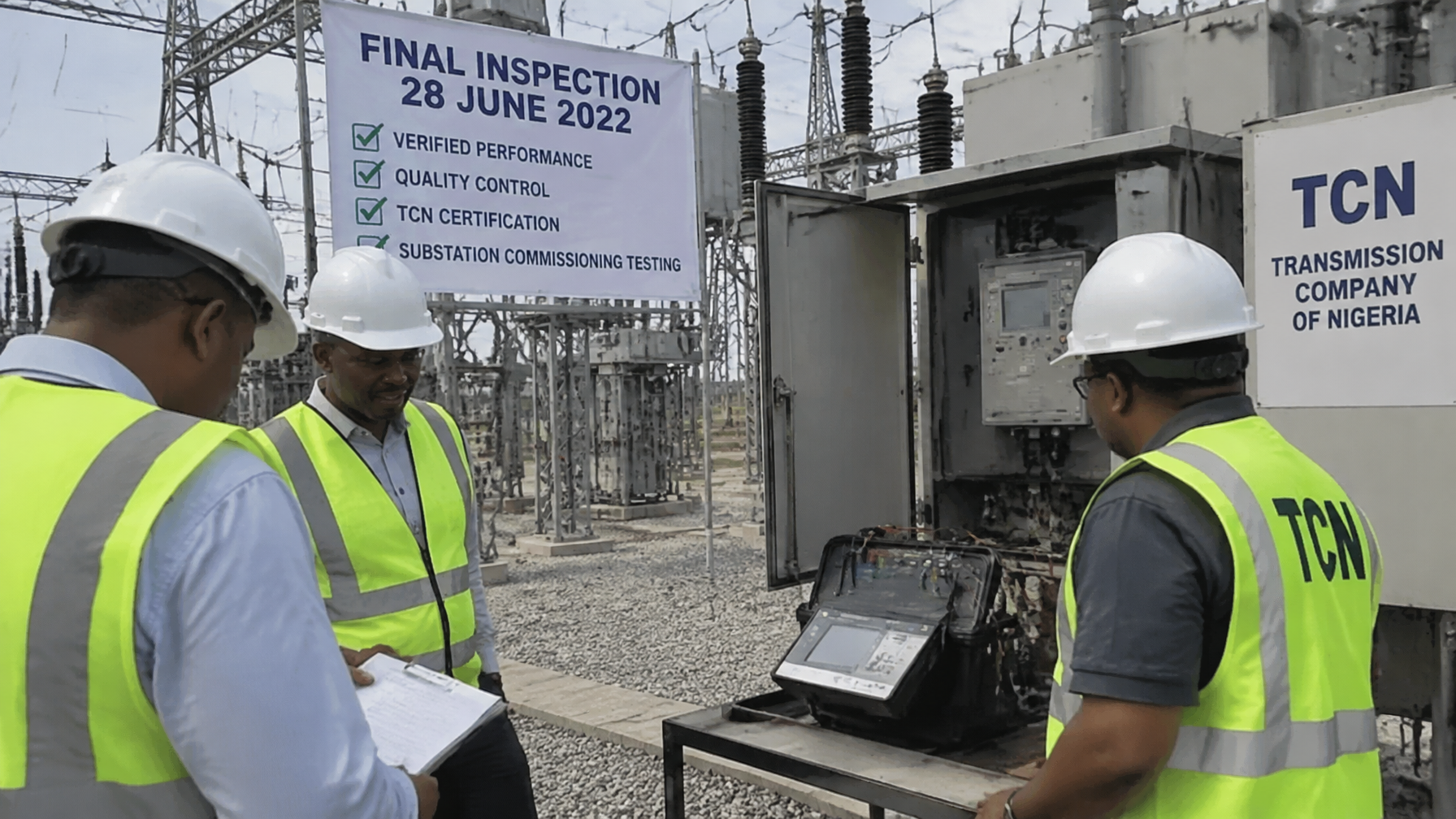
On-time delivery means little if quality is compromised. TCN's certificate states project was completed in full accordance with contract specifications, technical requirements and quality standards. Final inspection on 28 June 2022 confirmed all civil, electrical, mechanical and control works met required technical, safety and operational standards. Underground cable underwent hi-pot, sheath and commissioning tests before integration. TCN certified ICC fulfilled all contractual obligations and substations and cable system were fully operational.
Lessons for Nigeria's Infrastructure Pipeline
Nigeria needs great deal more transmission capacity to match generation potential and growing demand. Kuje/Wumba/Lokogoma experience suggests several lessons: define scope and schedule precisely at outset, secure financial guarantees, place clear single-point responsibility for integrated works, plan procurement of long-lead equipment early, and verify completion through formal inspection and testing.
None practices are new. What makes project notable is they were applied consistently, and result was major piece of national infrastructure delivered on day it was promised. If that standard became norm rather than exception, Nigeria's grid could expand at pace its economy demands.
Delivery At-A-Glance
| Milestone | Date/Details |
|---|---|
| Award | 15 May 2020 — TCN to ICC — $48,624,245 |
| Start | 25 June 2020 — 24-month duration specified |
| Complete | 24 June 2022 — exactly 24 months — certificate of completion |
| Final Inspection | 28 June 2022 — all works met standards — hi-pot/sheath tested |
| EPC Scope | Full EPC — design to commissioning, single-point responsibility |
| Context | Built entirely during COVID-19 pandemic supply chain disruption |
Frequently Asked Questions
Q: Why is 24-month exact delivery notable?
Transmission projects in Nigeria often suffer delays/cost overruns — delivering $48.6M EPC exactly on schedule, through pandemic, provides replicable benchmark.
Q: What protected TCN if contractor failed?
Performance bond required within 10 calendar days of signing — financial guarantee.
Q: What lesson for future grid expansion?
Precise scope/schedule at outset, single-point EPC, early procurement of long-lead equipment, and formal verified inspection.
Based on TCN award 15 May 2020 and certificate of completion 24 June 2022 for Kuje/Wumba/Lokogoma. Consult tcn.org.ng.
Comments
Post a Comment