A $41 Million Investment at the Heart of Kogi West's Power Supply — Economic Perspective on Kabba's 30MWp Solar Project
Focus: Economic Perspective | 30MWp Kabba 2x60MVA Substation, Kogi State | Award 3 March 2020 | US$41,144,857.96 | REA/NEP
By placing solar generation directly at a major transmission substation, the Kabba project targets one of the costliest weaknesses in Nigeria's electricity system: power that arrives too little, too late, and too weak.
On 3 March 2020, the Rural Electrification Agency notified International Consolidated Contractors Offshore SAL that its proposal for the 30MWp Solarization of the 2x60MVA Transmission Substation at Kabba, Kogi State, had been accepted at $41,144,857.96 inclusive of all indirect taxes under the Nigeria Electrification Project.
For a region whose economy depends heavily on agriculture, trade and small enterprise, the logic is straightforward: businesses cannot grow on unreliable electricity.
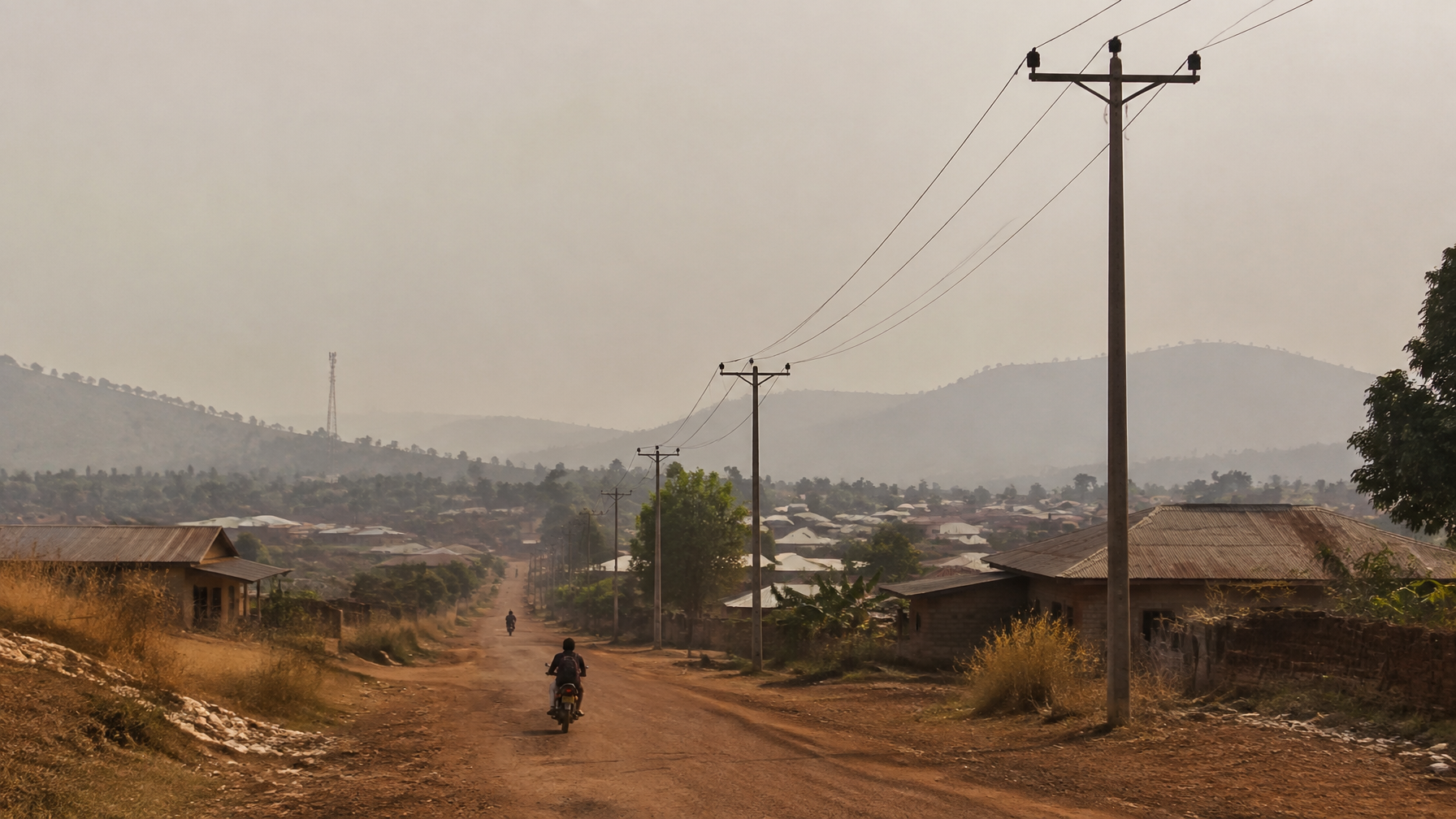
The Hidden Cost of a Weak Grid
Nigeria's grid often struggles to deliver adequate power to towns far from generating stations. By the time electricity travels hundreds of kilometres, some is lost as heat, and what remains may arrive at low voltage. Consequences: underperforming equipment, frequent outages, and heavy reliance on private generators burning expensive fuel. Every naira spent on diesel/petrol is money not invested in stock, staff or expansion. A stronger local supply releases capital back into the productive economy.
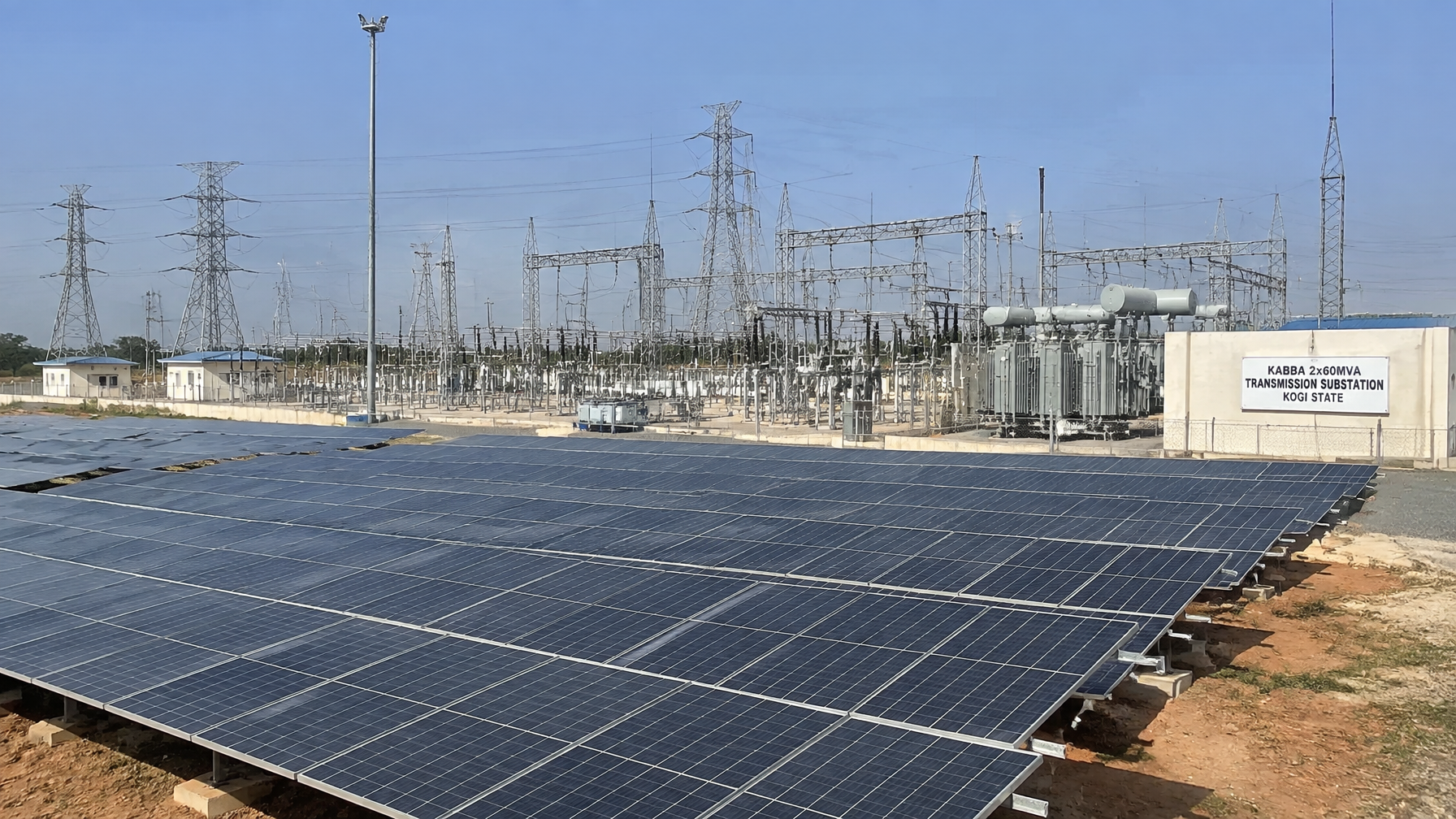
Generating Power Where It Is Needed
A 30MWp plant at Kabba brings generation to the point of distribution. Instead of relying solely on long-distance transmission, the substation gains substantial local daytime electricity — reducing losses, easing upstream pressure and improving supply quality.
At roughly $1.37 million per MWp, the value reflects not only panels but integration with high-voltage infrastructure. Because price includes all indirect taxes, part also returns as tax revenue.
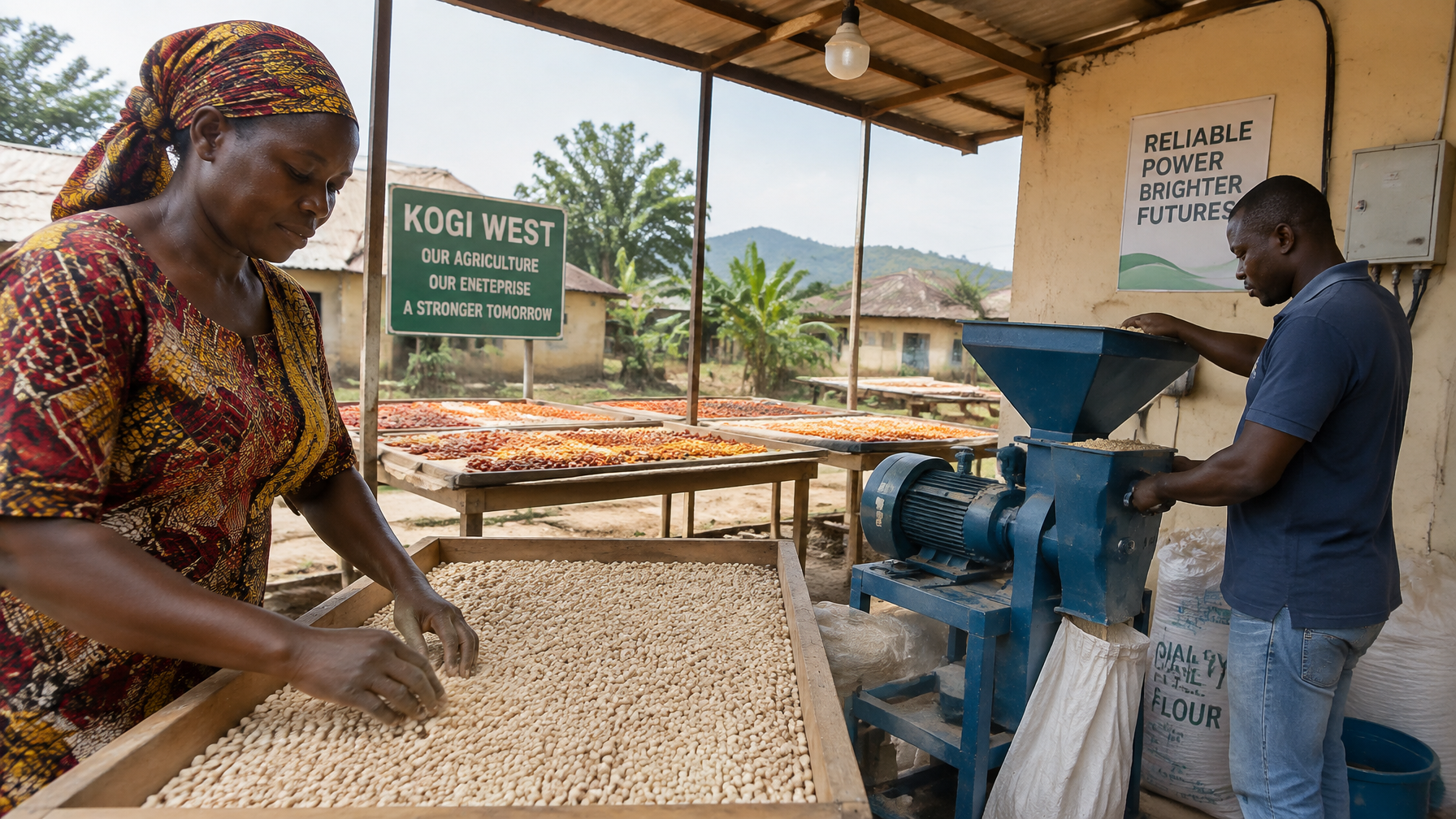
Opportunities for Local Enterprise
Reliable daytime power is especially valuable for agro-processing: milling, drying, cold storage and packaging let farmers capture more value rather than selling raw produce cheaply at harvest. Artisans, welders, tailors, printers and small manufacturers benefit similarly. Large infrastructure also creates construction activity (skilled roles, transport, catering, security) and long-term demand for technicians/engineers to operate the plant.
Signalling Confidence to Investors
Perhaps most significant is less visible: investors look closely at infrastructure when deciding where to locate. A strengthened supply makes Kabba and surroundings more attractive for new enterprises, demonstrating large-scale renewable investment in Nigeria's interior is achievable.
What Will Determine Success
Return depends on grid integration, consistent maintenance, and whether improved supply reaches end users through distribution. Those measures will show whether $41M translates into lower costs, more productive businesses and new jobs. Foundations are strong: putting generation where demand exists is one of the smartest investments available.
Kabba Economic At-A-Glance
| Item | Details |
|---|---|
| Location | Kabba, Kogi State — 2x60MVA (120MVA) transmission substation |
| Capacity/Value | 30MWp / $41,144,857.96 (incl. taxes) — ~$1.37M/MWp |
| Award Date | 3 March 2020 — Proposal 8 Jan 2020 — Contract REA-NEP/C/GO/RFP/47/25E |
| Contractor | ICC Offshore SAL (Beirut) — NEP supported by World Bank & AfDB |
Frequently Asked Questions
Q: Why generate at the substation?
Reduces transmission losses and low voltage at line ends, improves quality for downstream feeders.
Q: Is $1.37M/MWp expensive?
Includes high-voltage integration works, not just panels — plus tax component returns to government.
Q: What economic return to watch?
Whether agro-processing and small enterprise productivity rises and investor interest grows.
Based on REA Notification of Award 3 March 2020 for Kabba 30MWp. Consult rea.gov.ng for latest status.
Comments
Post a Comment