Focus: Environmental Perspective | 30MWp Kabba 2x60MVA Substation, Kogi | ~40 GWh/year Clean Energy | Grid-Integrated Solar
A 30MWp solar plant feeding a major substation in Kogi State shows how renewable energy can be woven into Nigeria's existing grid, not just built beside it.
Much of the conversation about renewable energy in Nigeria has focused on off-grid systems: solar home kits, mini-grids and standalone installations. The contract awarded in March 2020 for the 30MWp Solarization of the 2x60MVA Transmission Substation at Kabba, Kogi State, takes a different approach. It brings utility-scale solar generation directly into the national grid infrastructure.
The contract, awarded by the Rural Electrification Agency to International Consolidated Contractors Offshore SAL under the Nigeria Electrification Project, reflects that the grid itself must become cleaner.
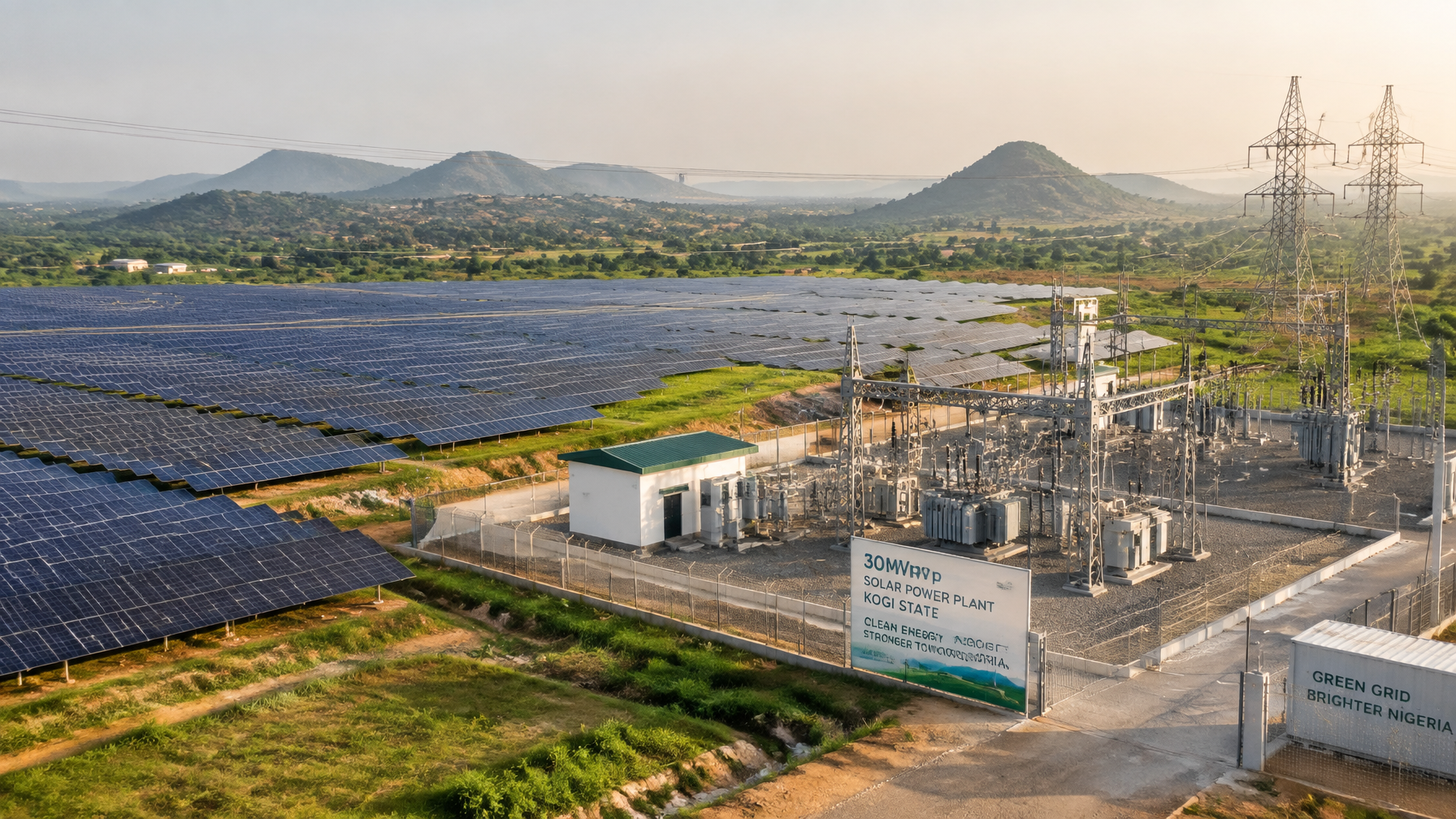
How Much Clean Energy? ~40 GWh/Year
Kogi State, in Nigeria's central belt, receives good solar radiation for much of year, although rainy season brings more cloud than far north. Using typical yields for the region, a 30MWp plant could be expected to generate in the order of 40 gigawatt-hours per year, with actual output depending on weather, dust, maintenance and grid conditions. That is enough clean electricity to make meaningful contribution to the area served by the substation.
What the Sunshine Replaces
Nigeria's grid relies largely on gas-fired stations, and where grid supply falls short, households and businesses turn to petrol and diesel generators — among the most polluting sources available. By strengthening supply at the substation, the Kabba plant can reduce both demand for fossil-fuel generation on the grid and reliance on small private generators. Depending on mix it displaces, avoided emissions could amount to many thousands of tonnes of CO₂ each year.
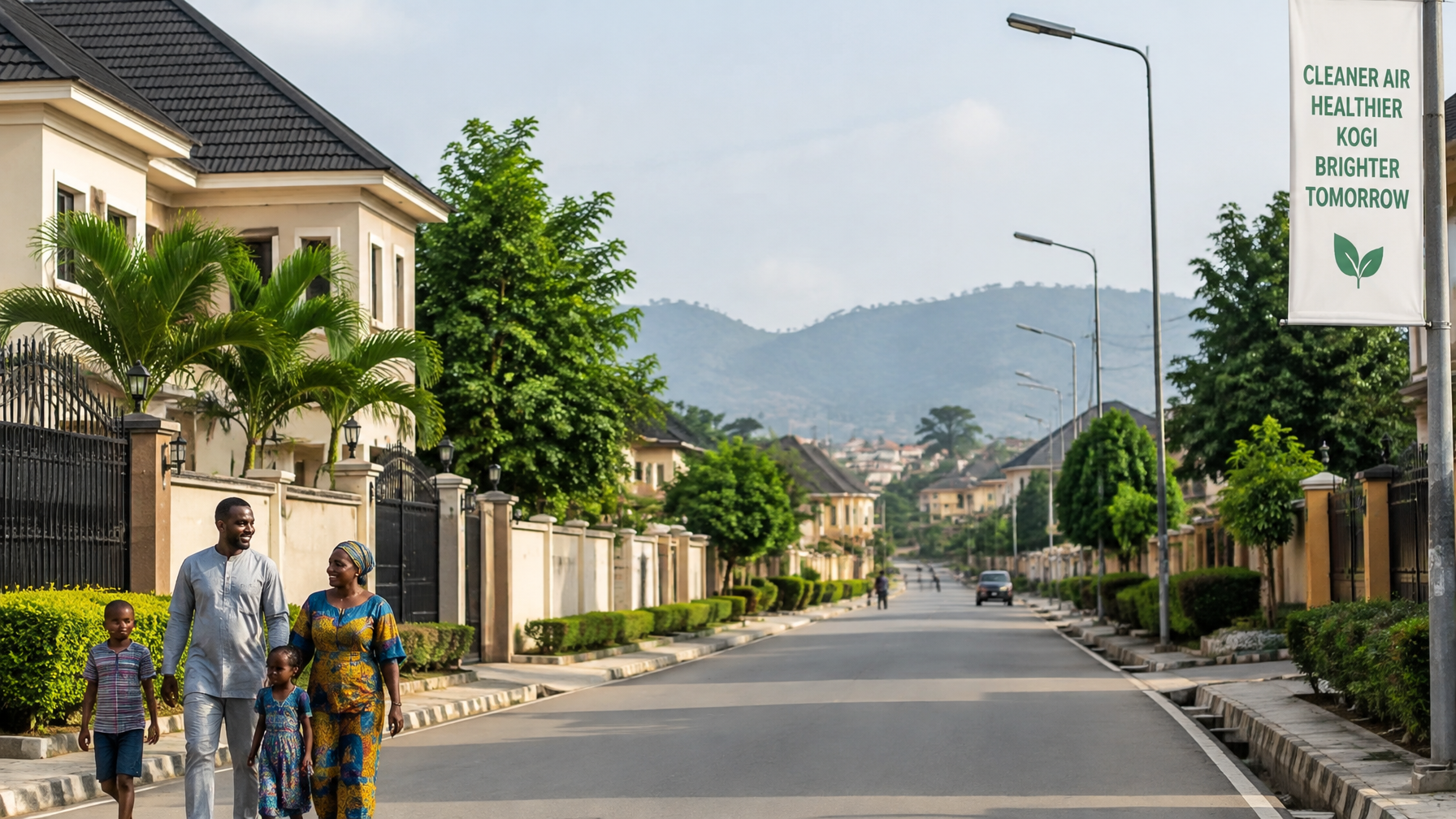
Cleaner Air, Quieter Neighbourhoods
Local benefits may be felt more directly than global ones. Fewer generators running in homes, shops and workshops means less exhaust at street level, less noise, and fewer fuel containers stored in crowded buildings. These improvements matter for public health, particularly for children and older people.
Reducing Waste in the System
There is also efficiency gain. Electricity transmitted over long distances loses energy along the way. Generating power at the substation, close to where it is consumed, reduces those losses, meaning more energy produced actually reaches users.
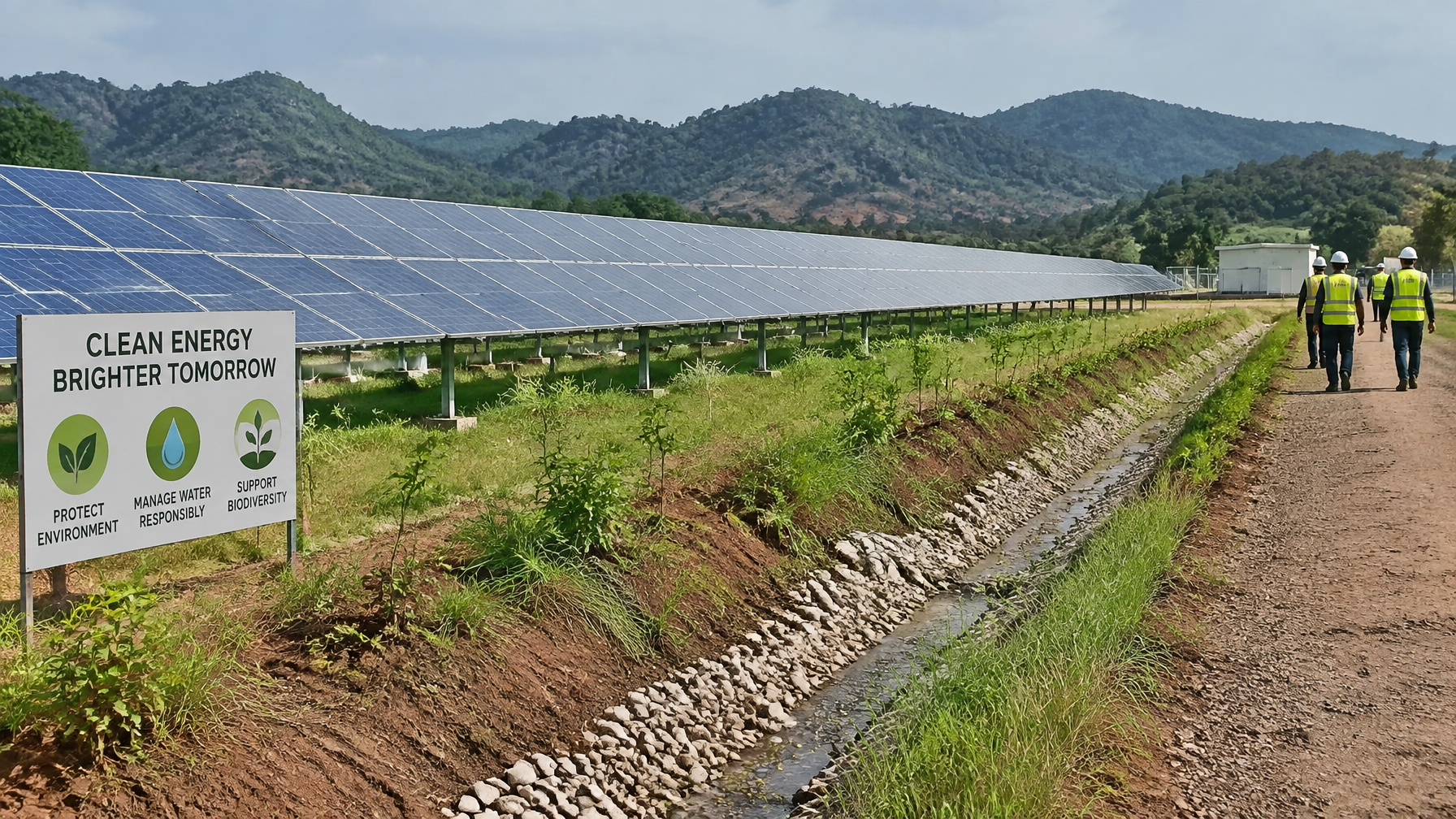
Responsible Development & A Step in a Larger Transition
A plant of this size requires significant land area, and careful site management is essential to protect soil, drainage and vegetation. Projects financed through development partners are generally subject to environmental and social safeguards. Over long term, planning for maintenance, replacement and eventual recycling of panels and equipment will also be part of responsible stewardship.
Nigeria's Energy Transition Plan envisages major expansion of solar in decades ahead. Much growth will need to connect to the grid, and projects that demonstrate how solar can be integrated at existing substations offer valuable lessons. Kabba shows renewable does not have to wait for new infrastructure — it can be built into the network Nigeria already has, making whole system cleaner, one substation at a time.
Kabba Environmental At-A-Glance
| Item | Details |
|---|---|
| Location | Kabba, Kogi State — 2x60MVA substation |
| Capacity | 30MWp — ~40 GWh/year indicative |
| Displaces | Gas-fired grid power + petrol/diesel generators — thousands of tonnes CO₂ avoided |
| Efficiency | Local generation reduces long-distance transmission losses |
Frequently Asked Questions
Q: How much clean energy will Kabba produce?
Indicatively ~40 GWh/year given Kogi's central-belt irradiation; actual depends on weather, dust, maintenance.
Q: Does it only help climate?
No — local health also: less exhaust at street level, less noise, fewer fuel containers in buildings.
Q: What about long-term waste?
Responsible stewardship requires planning for panel/equipment recycling and land management throughout life.
Based on REA award March 2020 for Kabba 30MWp under NEP. Consult rea.gov.ng. Sources: REA notification 3 Mar 2020.
Comments
Post a Comment